
When It Hurts The Same

One of the great illusions in endurance sports is that going slower is always easier.
Sometimes it is. But sometimes, strangely enough, it isn’t.
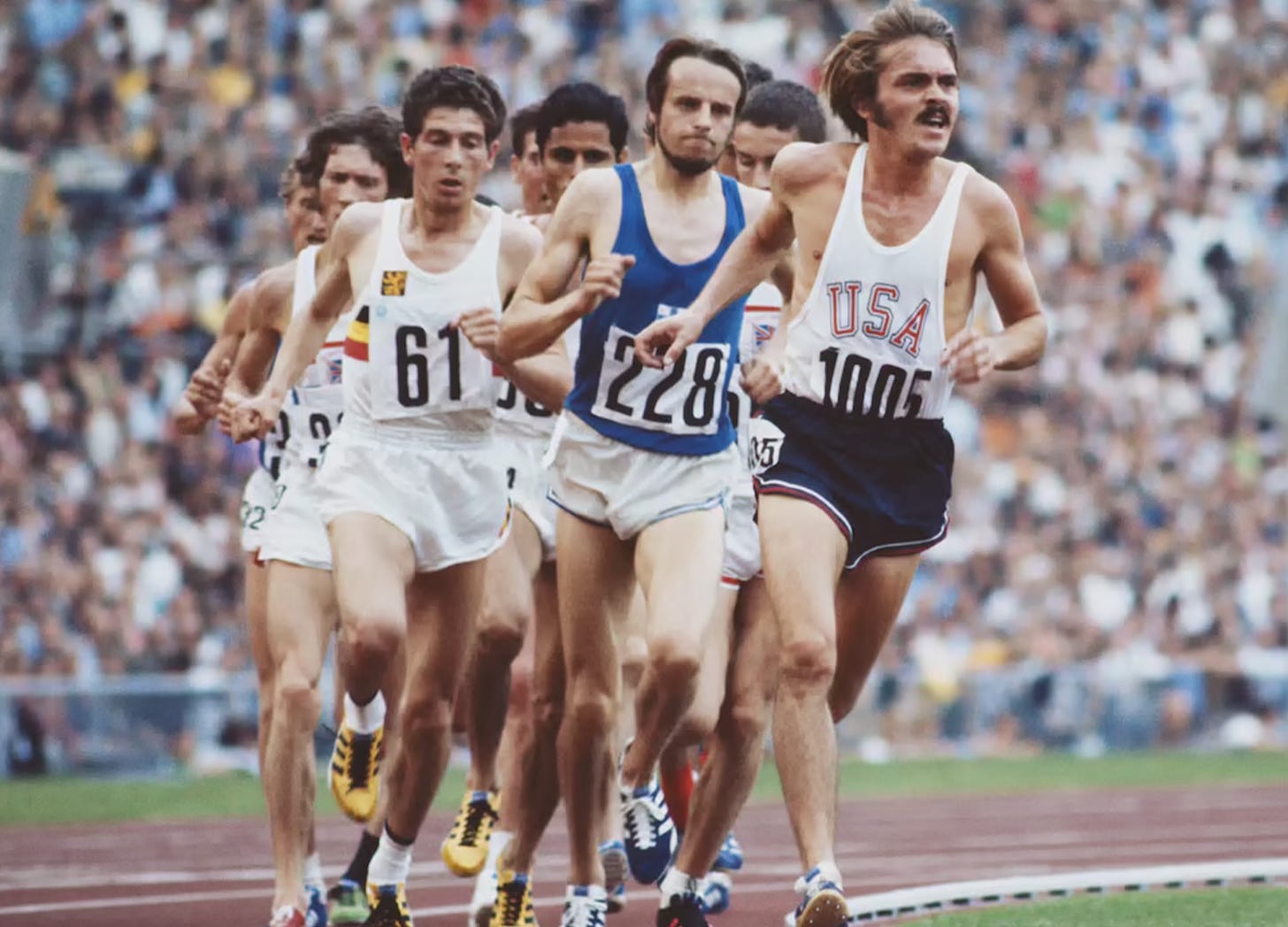
Sometimes it hurts just as much to back off as it does to go all in. Sometimes the body is working hard either way. The lungs still burn. The legs still ache. The mind still has to negotiate with discomfort. And in those moments, you have a choice to make: if it’s going to hurt either way, what are you choosing that pain for?
That’s not a call to hammer every session or turn every race into a death march. Wisdom always matters. Timing matters. Restraint matters. But there are very real moments in training and racing when slowing down doesn’t actually buy you relief. It only buys you less possibility.
Every athlete knows this moment.
You’re deep into an interval set. You’re climbing a long hill on the bike. You’re in the final miles of a run. You’re in the middle of a race and your body is sending up the same old alarms: This is hard. Back off. Ease up. Protect yourself.
So you do back off a little.
But the funny thing is, it still hurts.
Your breathing is still ragged. Your legs are still loaded with fatigue. Your heart is still thumping against your ribs. The discomfort doesn’t disappear. It just changes shape. And then you realize something important: maybe this wasn’t about escaping pain at all. Maybe it was about deciding what kind of effort is worthy of it.
That realization can change you as an athlete.
Because once you understand that some discomfort is unavoidable, you stop negotiating with it so much. You stop asking, “How do I make this painless?” and start asking, “What is this pain in service of?”
That is a far more powerful question.
Pain for the sake of ego usually leaves you empty. Pain for the sake of proving something to someone else burns hot and fast. But pain in service of growth? Pain in service of discovering what is actually inside you? Pain in service of a meaningful goal? That kind of suffering has purpose. It sharpens you. It clarifies you. It teaches you.
There were many times in my career when I had to face that exact truth. In training. In Kona. In the quiet battles nobody sees. There were moments when I knew backing off would still be hard. The heat would still be there. The effort would still be there. The day would still ask something from me. And in those moments, if the cost was nearly the same, the better choice was often to stay engaged and go forward with courage.
Not recklessly. Not stupidly. But honestly.
This is where maturity in sport begins.
Young athletes often think toughness means always charging harder. Older and wiser athletes learn that toughness means understanding the moment. Sometimes the brave move is to slow down and save the day. But sometimes the brave move is realizing that slowing down is just another form of fear talking, because the hurt isn’t going anywhere anyway.
And that applies to more than racing.
It applies to life.
Sometimes it hurts just as much to avoid the hard conversation as it does to have it.
Sometimes it hurts just as much to stay stuck as it does to change.
Sometimes it hurts just as much to play small as it does to step fully into your potential.
We think retreat will protect us. Often it only prolongs the discomfort.
There is a certain freedom that comes when you stop trying to bargain your way out of every hard moment. When you accept that some parts of growth, performance, and becoming require discomfort, you become less afraid of it. And when you become less afraid of it, you become much more dangerous in the best possible way.
You race freer.
You train truer.
You live more honestly.
The key, of course, is discernment.
Not every pain is a green light. Injury is real. Overtraining is real. Burnout is real. You have to know the difference between productive discomfort and destructive warning signs. The best athletes learn that language over time. They know when to push and when to protect. They know when pain is part of the process and when it is a signal to stop.
But once you’ve ruled out the dangerous stuff, there comes a moment when you have to ask yourself:
If this is going to be hard either way, then what am I here for?
Am I here to preserve comfort?
Or am I here to discover capacity?
That question has shaped more breakthroughs than any training metric ever will.
The finish line is rarely reached by those who avoided discomfort best. It’s reached by those who learned how to give their discomfort meaning.
So the next time you’re in that place in the middle of the set, in the heat of the race, in the stretch of life where nothing feels easy remember this:
Sometimes it hurts just as much to go faster as it does to slow down.
And in that moment, maybe the answer is not to run from the hurt.
Maybe the answer is to choose the version of it that leads somewhere.